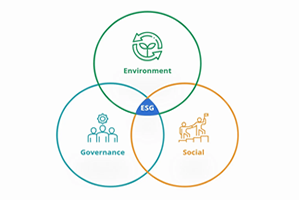
Etosu: The Intersection of People and Protection
ESG Advisory Services
Trusted advisors in corporate
law, transactions, and compliance.
ESG Advisory provides a structured and strategic approach for organizations to integrate Environmental, Social, and Governance principles into their core business strategy. Our methodology ensures regulatory alignment, operational resilience, investor confidence, and sustainable growth.
ESG Advisory provides a structured approach for organizations to integrate Environmental, Social, and Governance (ESG) principles into their core business strategy. This process mitigates risk, ensures regulatory compliance, and drives long-term value creation through the following key service areas:
- ESG Diagnostics & Framework Development
This foundational phase establishes an organization’s current sustainability baseline and selects the appropriate reporting standards.
- Gap Analysis & Health Check: Consultants conduct a comprehensive review of existing policies, data availability, and practices against global standards to identify compliance gaps.
- Materiality Assessment: A critical process to identify ESG issues most relevant to the business and its stakeholders (e.g., investors, customers, employees). This includes “double materiality,” which assesses both the company’s impact on the world and the world’s impact on the company.
- Framework Selection: Advisors help select and align with specific reporting frameworks based on geography and industry. Key frameworks include:
- GRI (Global Reporting Initiative): Focused on broad stakeholder impacts.
- SASB (Sustainability Accounting Standards Board): Focuses on financially material issues for investors.
- TCFD (Task Force on Climate-related Financial Disclosures): Specifically for climate-related financial risk.
- BRSR (Business Responsibility and Sustainability Reporting): Mandatory for top listed companies in India.
- ESG Strategy Formulation: Once the baseline is set, advisors assist in defining the “to-be” state and the roadmap to achieve it.
- Vision & Roadmap Design: Developing a long-term sustainability vision and a step-by-step implementation roadmap with specific timelines (e.g., 3-5 year plans).
- Goal Setting (KPIs): Establishing SMART (Specific, Measurable, Achievable, Relevant, Time-bound) goals, such as specific percentage reductions in waste or improvements in diversity metrics.
- Operational Integration: Embedding ESG criteria into core business functions like procurement, product development, and finance to ensure it is not just a compliance exercise but a driver of innovation.
- Stakeholder Engagement: Creating strategies to communicate progress to investors and customers, thereby building trust and brand equity.
- Carbon Footprint Analysis & Reduction Strategies: This technical service focuses on quantifying and lowering greenhouse gas (GHG) emissions to meet “Net Zero” or carbon-neutral targets.
- GHG Inventory (Scopes 1, 2, & 3):
- Scope 1: Direct emissions from owned sources (e.g., company vehicles, furnaces).
- Scope 2: Indirect emissions from purchased electricity or heating.
- Scope 3: Indirect emissions across the value chain (e.g., supply chain, product use), often the largest component.
- Reduction Strategies:
- Energy Efficiency: Upgrading machinery and optimizing processes to reduce consumption.
- Renewable Transition: Switching to solar, wind, or biomass energy sources.
- Supply Chain Optimization: Engaging suppliers to lower their own footprints.
- Carbon Offsetting: Investing in environmental projects (e.g., reforestation) to compensate for unavoidable emissions.
- ESG Risk/Resilience & Performance Improvement
This area focuses on protecting the organization from future shocks and improving financial operational performance.
- Risk Identification: pinpointing physical risks (e.g., floods affecting factories) and transition risks (e.g., new carbon taxes or changing consumer preferences).
- Resilience Planning: Developing continuity plans and adaptive strategies to withstand climate and social disruptions, ensuring long-term viability.
- Performance Improvement:
- Cost Reduction: Lowering operational costs through energy and waste reduction.
- Access to Capital: Improving ESG ratings (like MSCI or DJSI) to attract institutional investors and secure lower-cost “green financing”.
- Talent Retention: boosting employee satisfaction and retention by demonstrating strong social values.